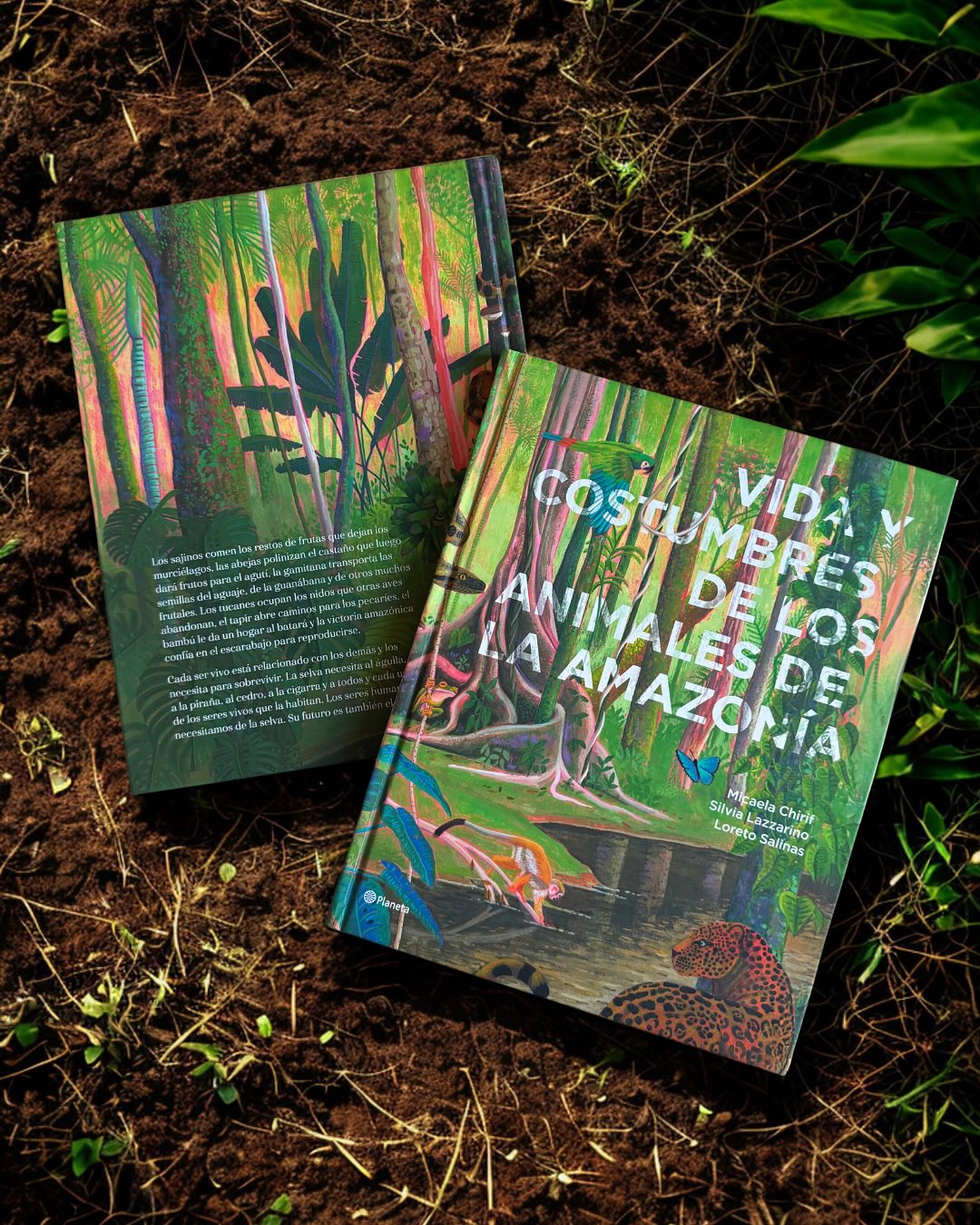
Amazon rainforest animals
Life and habits of Amazon rainforest animals
Texts: Micaela Chirif
Research: Silvia Lazzarino
Illustrations: Loreto Salinas
Bogotá: Planeta, 2025
ISBN: 978-628-7827-57-8
A beautifully illustrated journey through seven Amazonian habitats, where science and storytelling reveal the lives and wonders of real rainforest species.
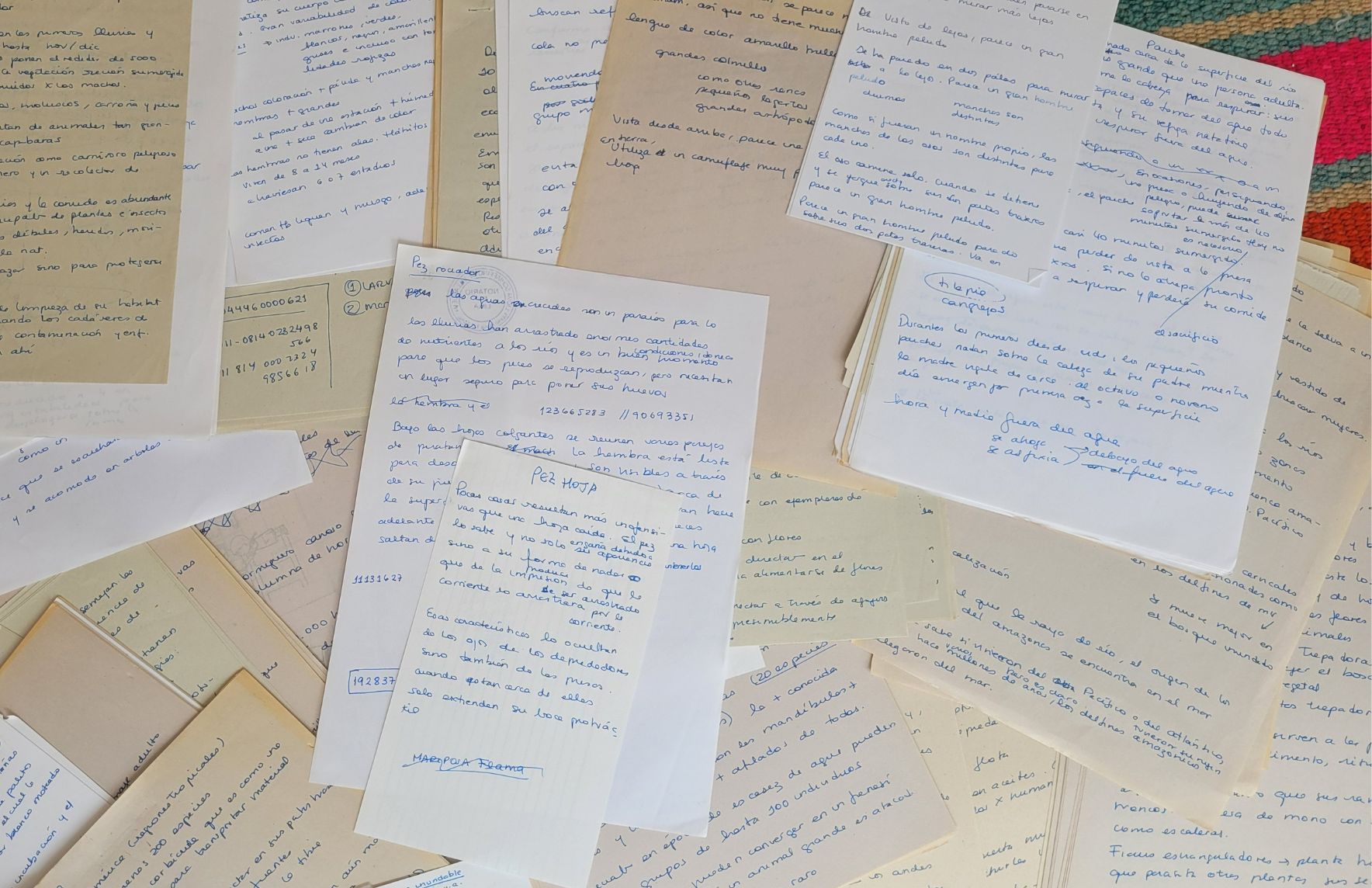
This book weaves together scientific research, literature, and illustration to offer a unique perspective on Amazonian wildlife. It draws on current scientific knowledge to inform readers about the conservation status of species, their common and scientific names, taxonomy, distribution, and diet. At the same time, it uses storytelling to bring these animals to life in short literary narratives grounded in fact, where imagination becomes a bridge for young readers to connect with the creatures described.
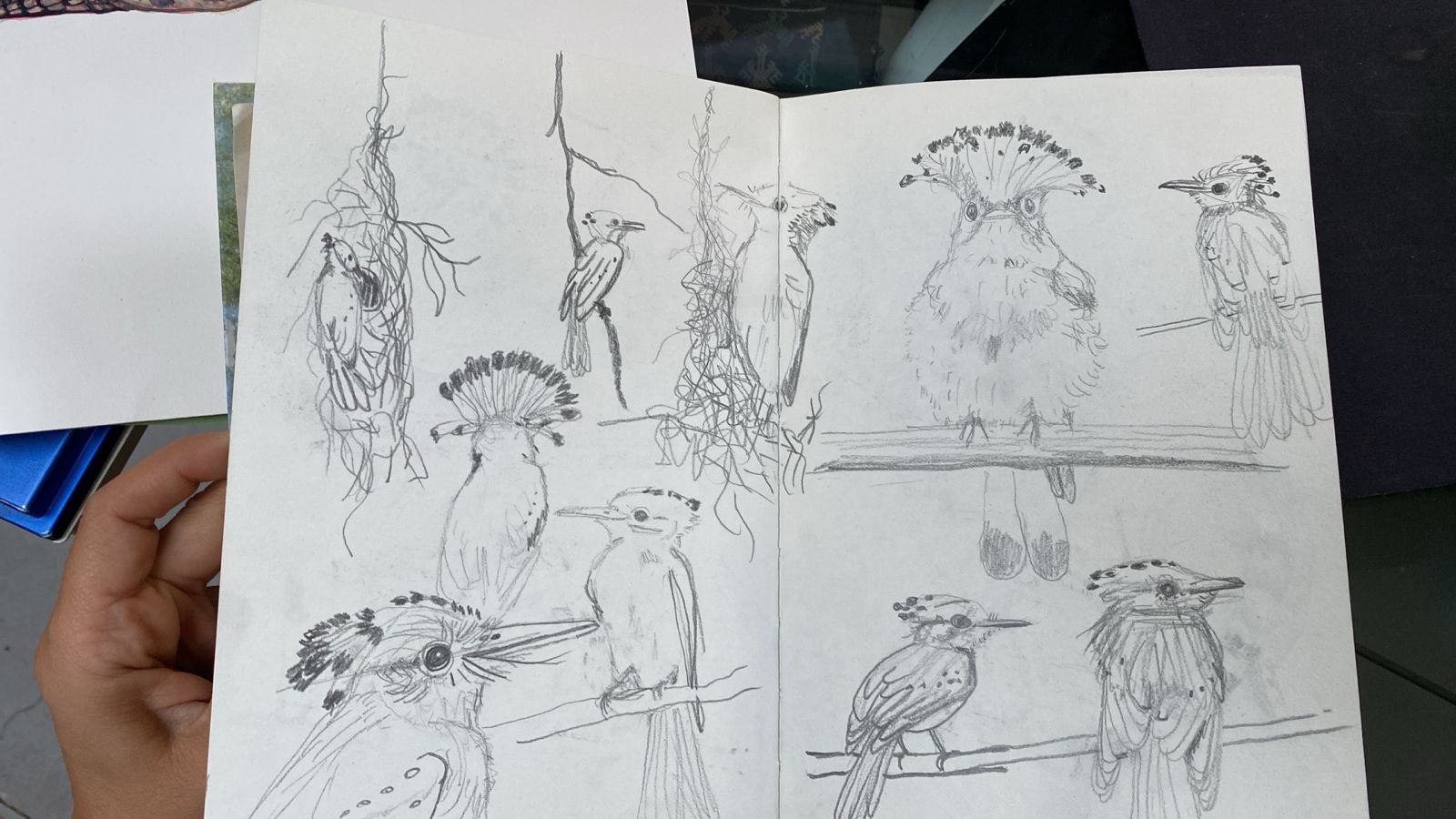
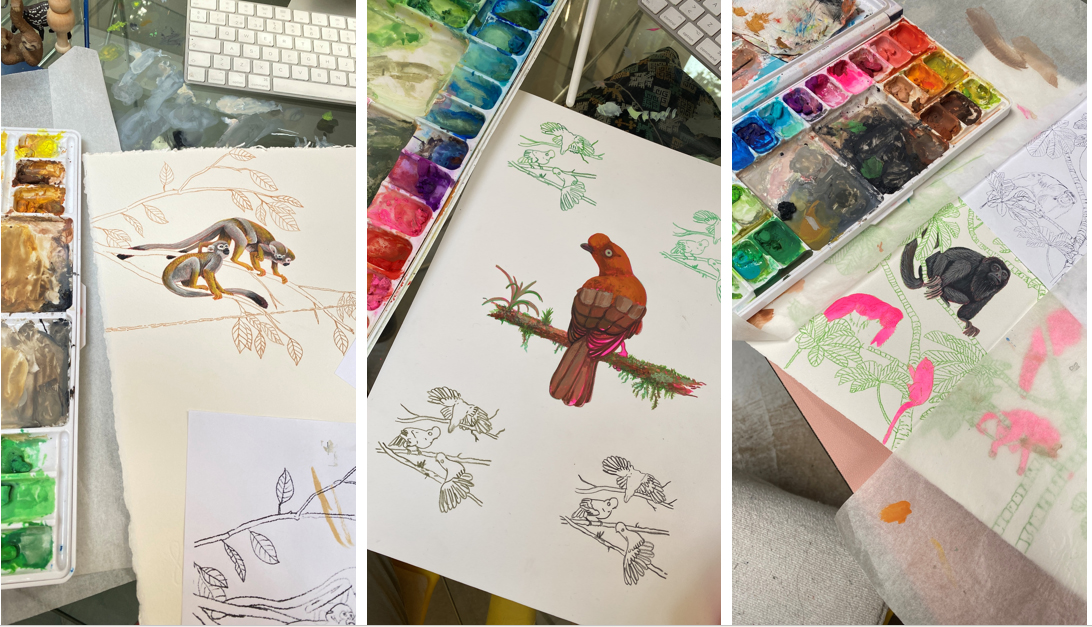
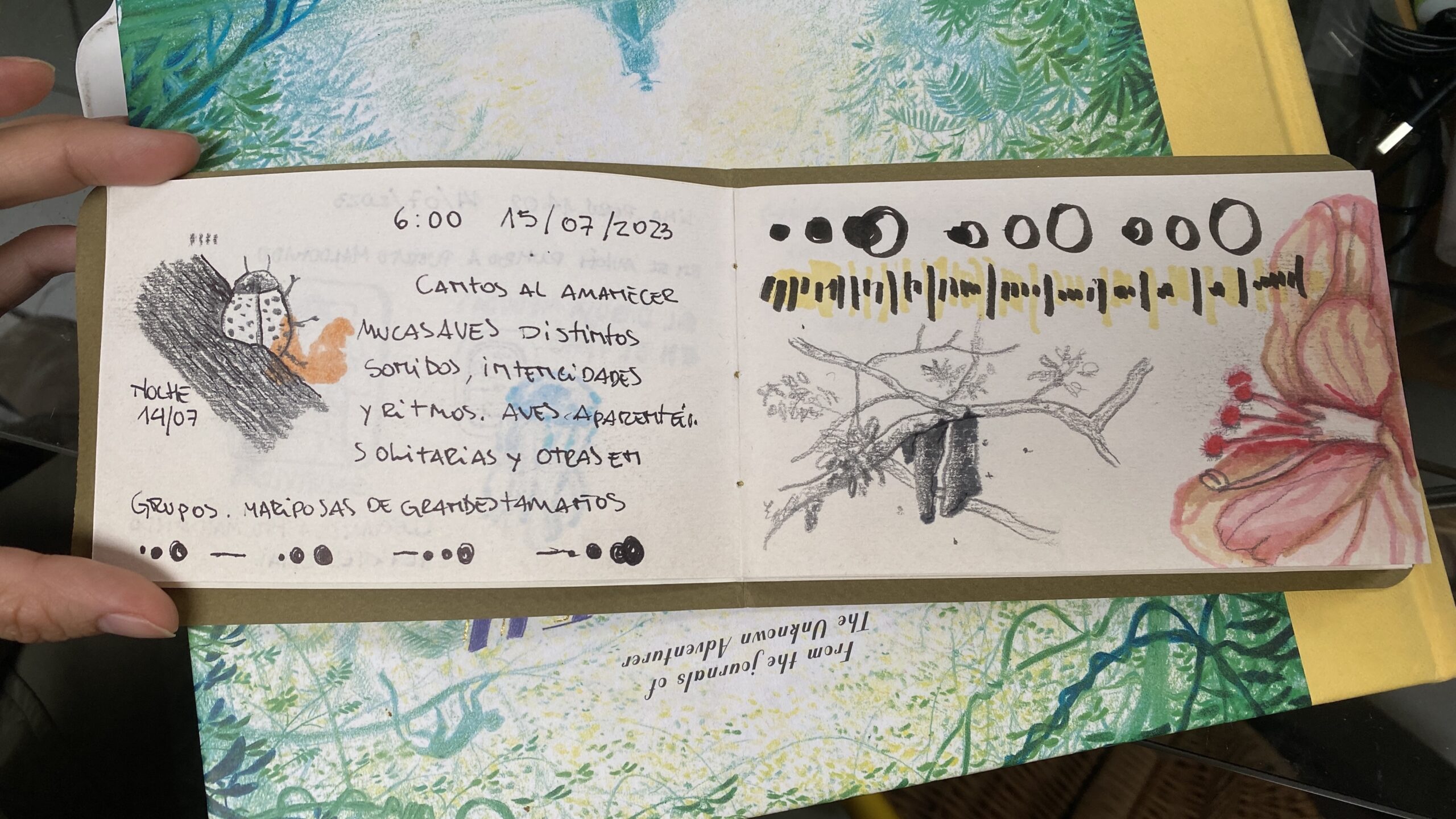
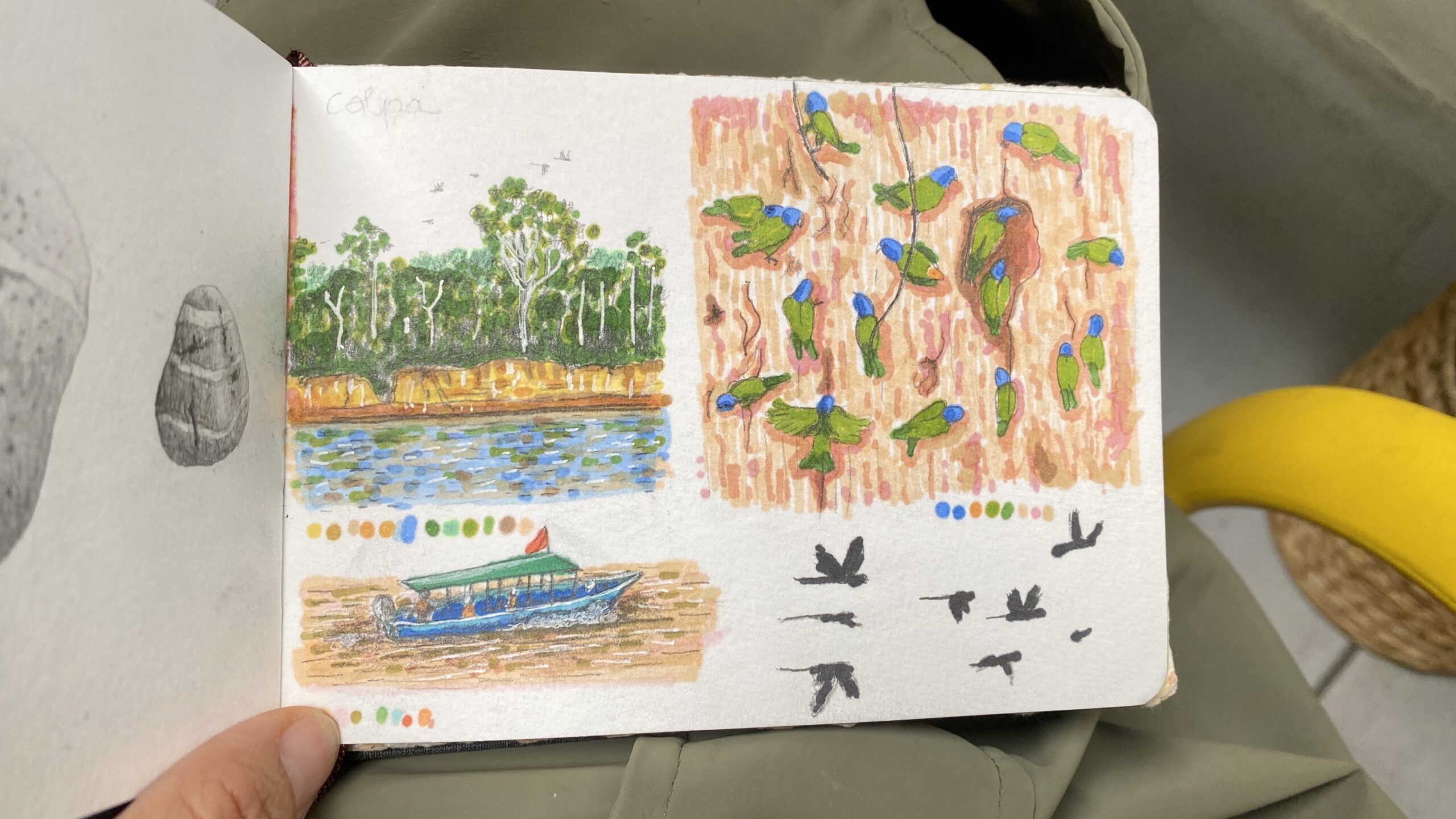
Illustration plays a vital role, evoking the textures, sounds, scents, and even the tastes that sustain life in the rainforest. There is a deliberate effort to go beyond the most iconic representations of species featuring, for instance, a melanistic jaguar to emphasize that every animal is a singular, living being.
A unique blend of science, storytelling, and visual art, this book stands at the intersection of information and imagination: it combines accurate scientific data with literary micro-narratives and evocative illustrations, offering children a deeply engaging way to learn about Amazonian biodiversity.
The authors
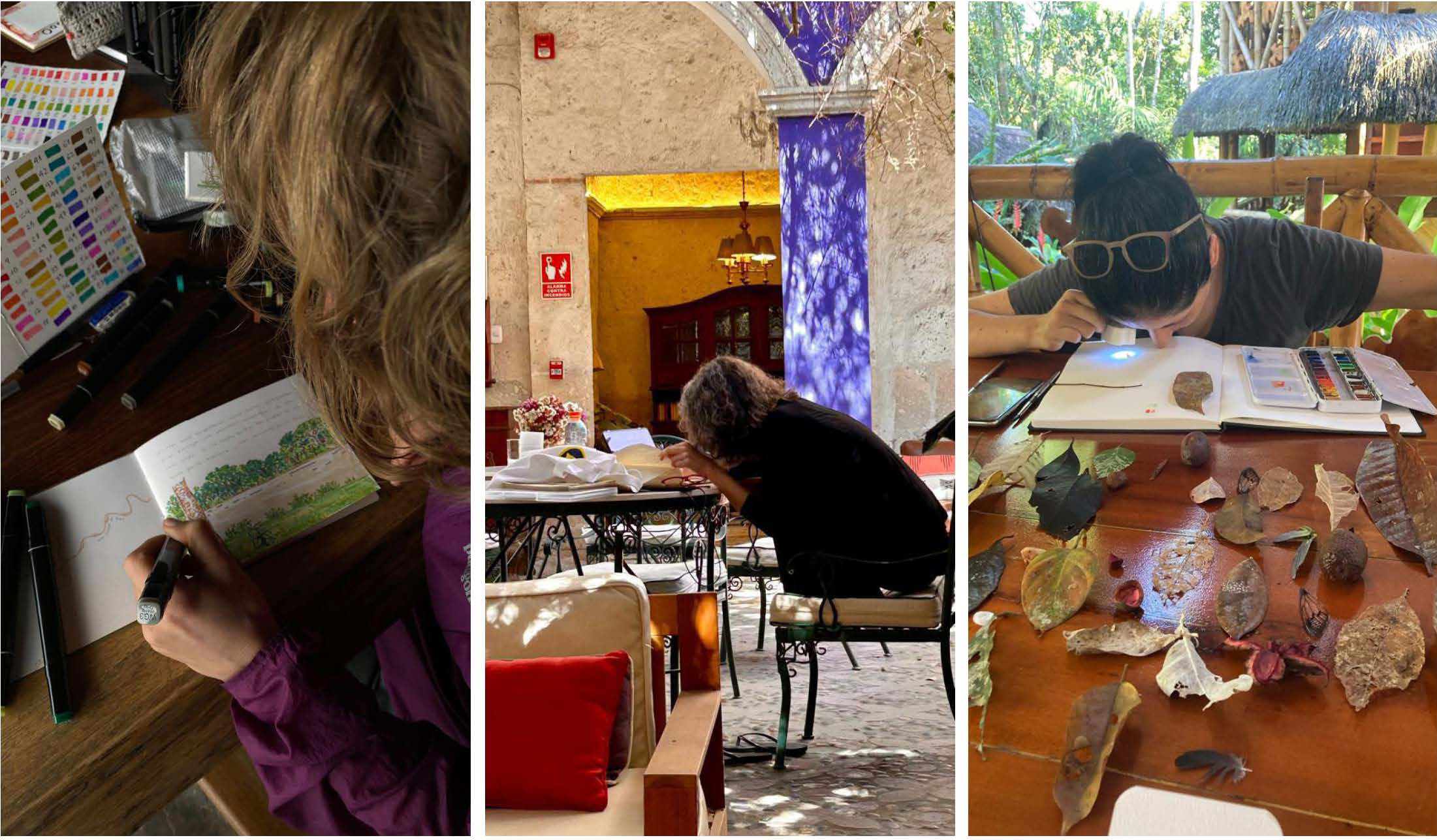
The research

The writing

The illustration